How our fish is caught makes a difference in the quality and the sustainability of our products, and Finest at Sea strives to be a leader locally in sustainable fishing practices. Every fishing company or family will use their own unique catching methods, but not all fishing methods are made equally, and just because something is marketed as sustainable does not mean that it is the best choice for the planet and for you. It is best to source your catch from suppliers that are transparent on product origins and catch methods. At Finest at Sea, 100% known origin is a key pillar of our company. We handle this product from the moment it comes out of the sea, through the transportation process, to being filleted and to the moment it is wrapped in paper and travelling home to your fridge. Two very different fishing methods happen to have very similar names, so here we will break down the difference in trawling and trolling fishing methods and why these fishing methods are not equal.
Trawling is a non-selective fishing method that involves the use of large nets that drag in the water behind the fishing vessel that scoops up anything the vessel passes by. Trawling nets drag up starfish, seabirds, sharks, rays, and even whales. Trawlers discard 23% of their catch. These creatures will not be taken to market but are often injured or killed during encounters with trawling vessels. 150,000 lbs of living seafloor, which includes corals and sponges, are destroyed by trawling nets every year. These nets drag across the ocean floor, not discerning between different forms of ocean life and collecting everything in their path. Some nets used for commercial trawling can be the size of a football field.
Though you cannot see the effects that happen on a cellular level, up to 80% of microorganisms that live on the ocean floor are destroyed during the disruption that the dragging nets cause. Trawling nets can even contribute to something called marine deforestation, where kelp forests and other marine forest life are destroyed, which are important habitats and hiding places for ocean critters. Trawling disrupts the seabed, which has devastating effects on our climate. As the ocean is a carbon sink, trawling activities heavily disrupt carbon stores at the sea floor. The disruption can release between 0.5 and 1.5 gigatons of CO2 from the seabed, half of which travels to our atmosphere and the other half of which contributes to the ocean’s acidification. These activities release more carbon than the global aviation industry as a whole.
Fisheries have minimum size requirements for most species and if these bycatch don’t reach the size requirements for allowable catch, they will need to be tossed back into the water. Allowable catch sizes are set to help ensure that undersized fish, which are young and often have not had the chance to spawn yet in their lifetime, are able to reproduce before they are caught for food. This is to ensure that a species ability to survive and reproduce for future generations is protected. However, many bycatch fish are killed anyway due to injury, so best practice for fishers is to reduce bycatch as much as possible.
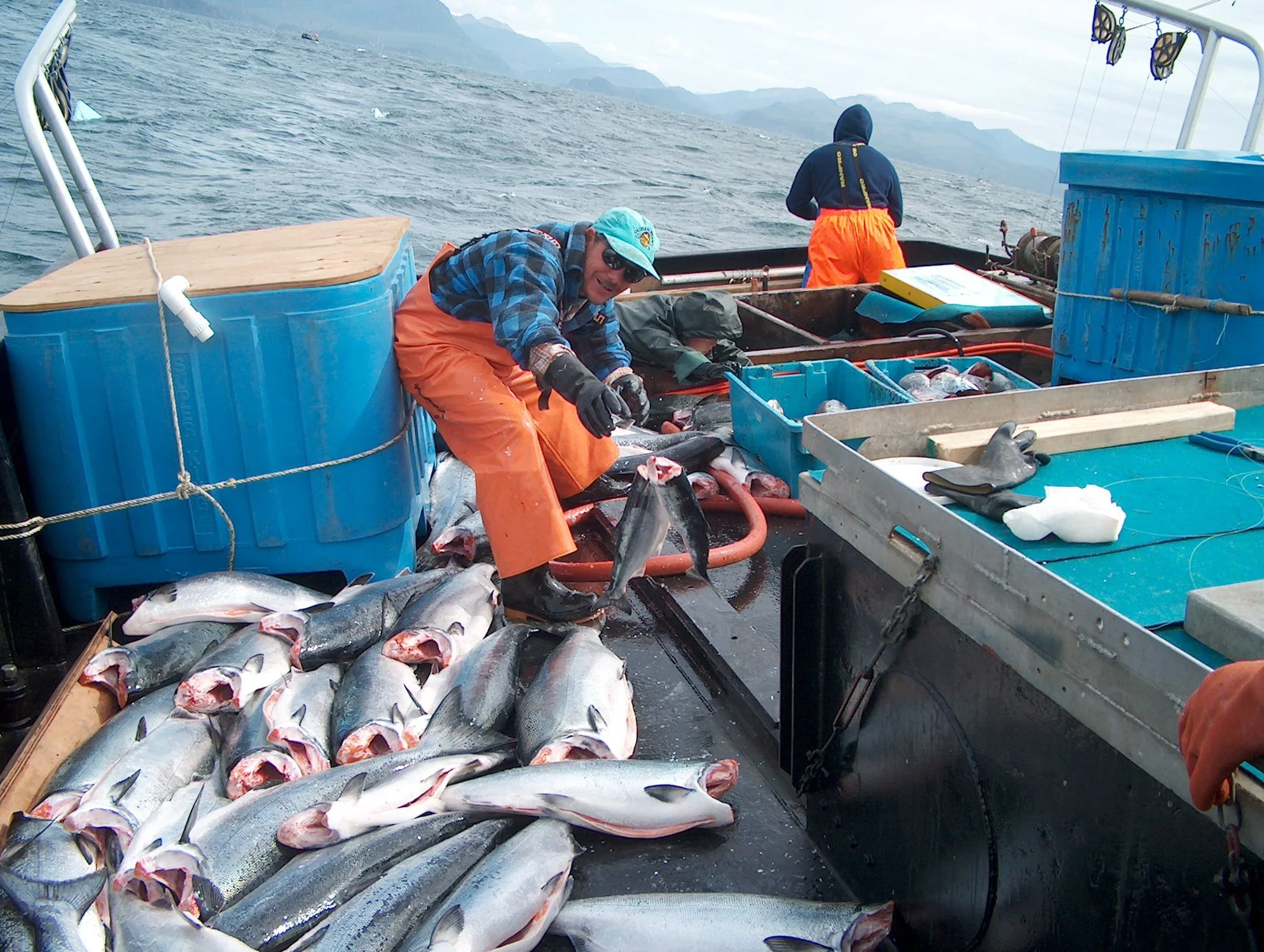
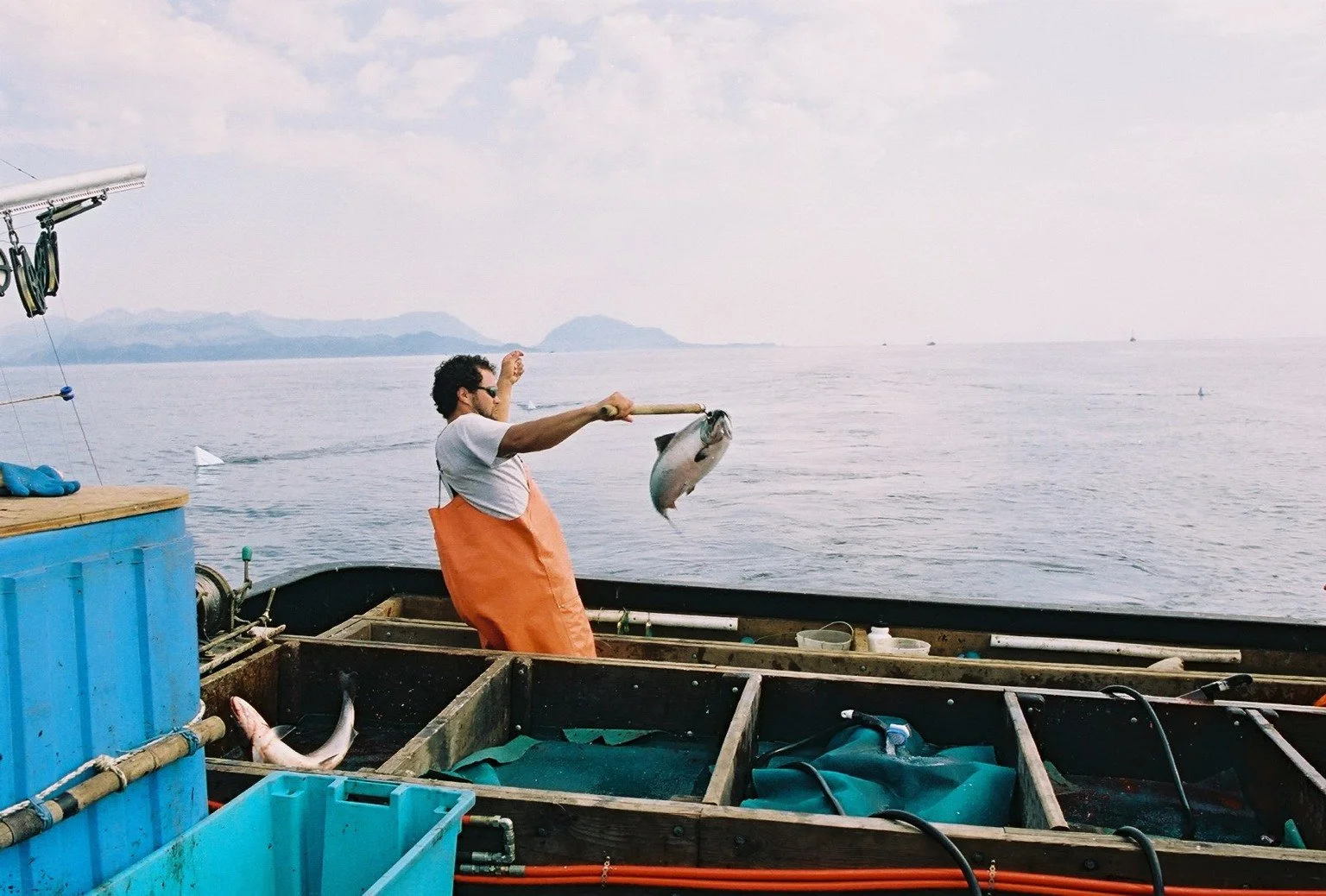
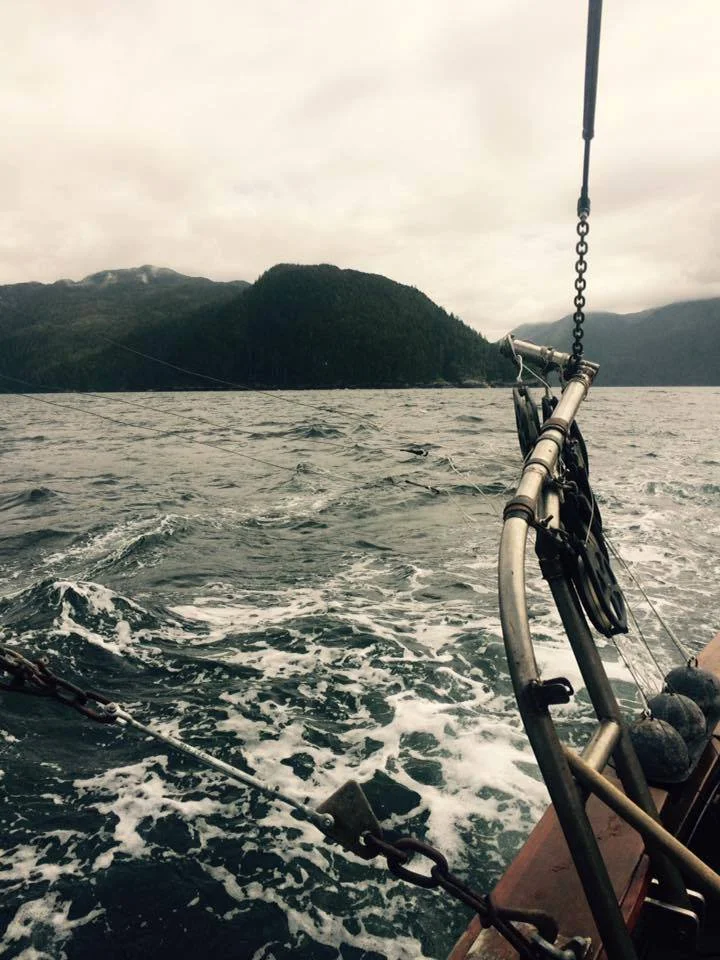
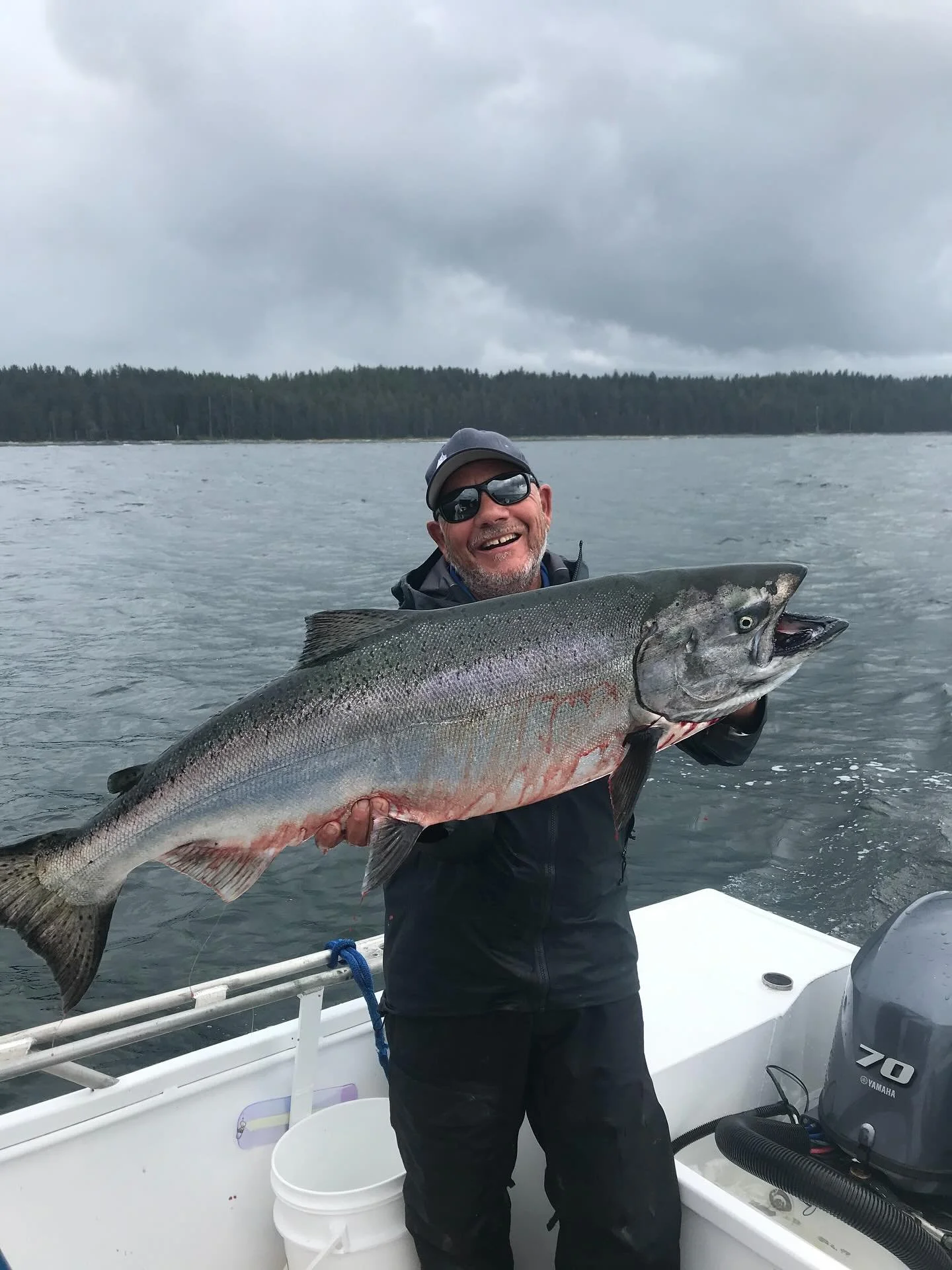
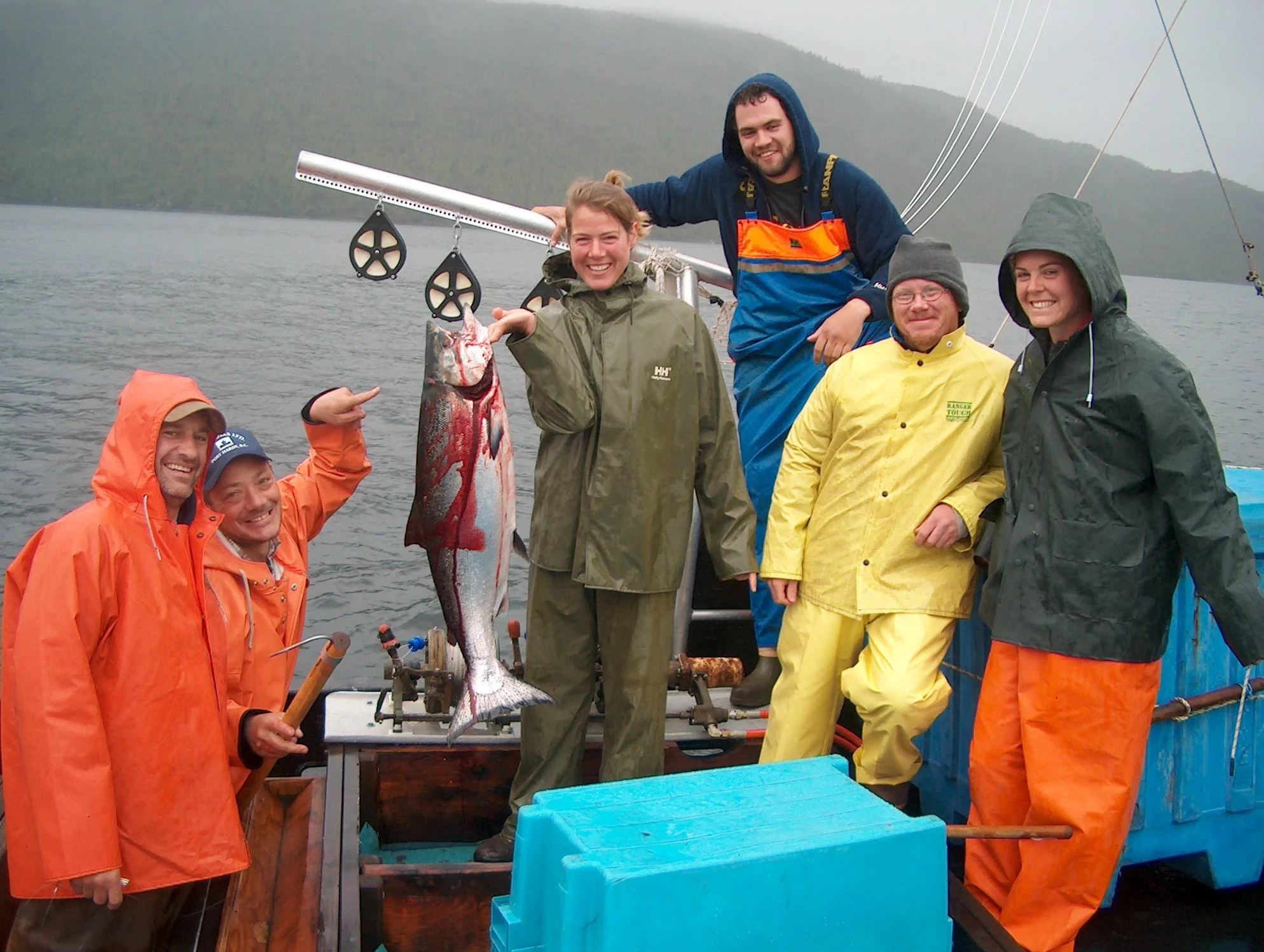
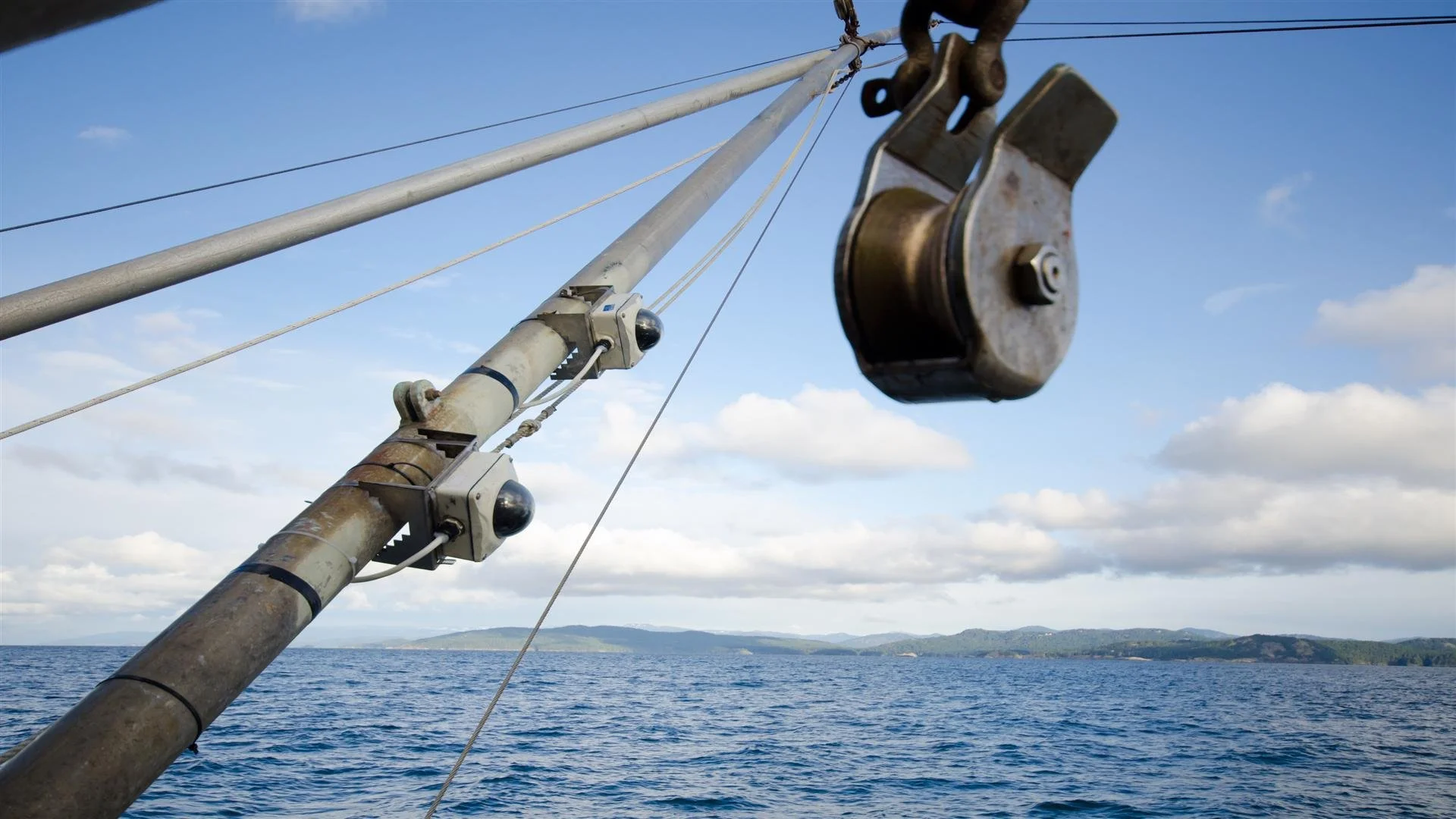
Trolling is a selective fishing method that allows fishers to attract and catch only the target species. Fishermen use baited hooks and tow them on a line behind their fishing vessel, attracting specific species with different baits like squid or hake. These fish are then caught, removed from these hooks and immediately stunned, bled and gutted for immediate transport to the vessel’s onboard flash freezers. Only one fish is hooked at a time, reducing bycatch levels to next to none.
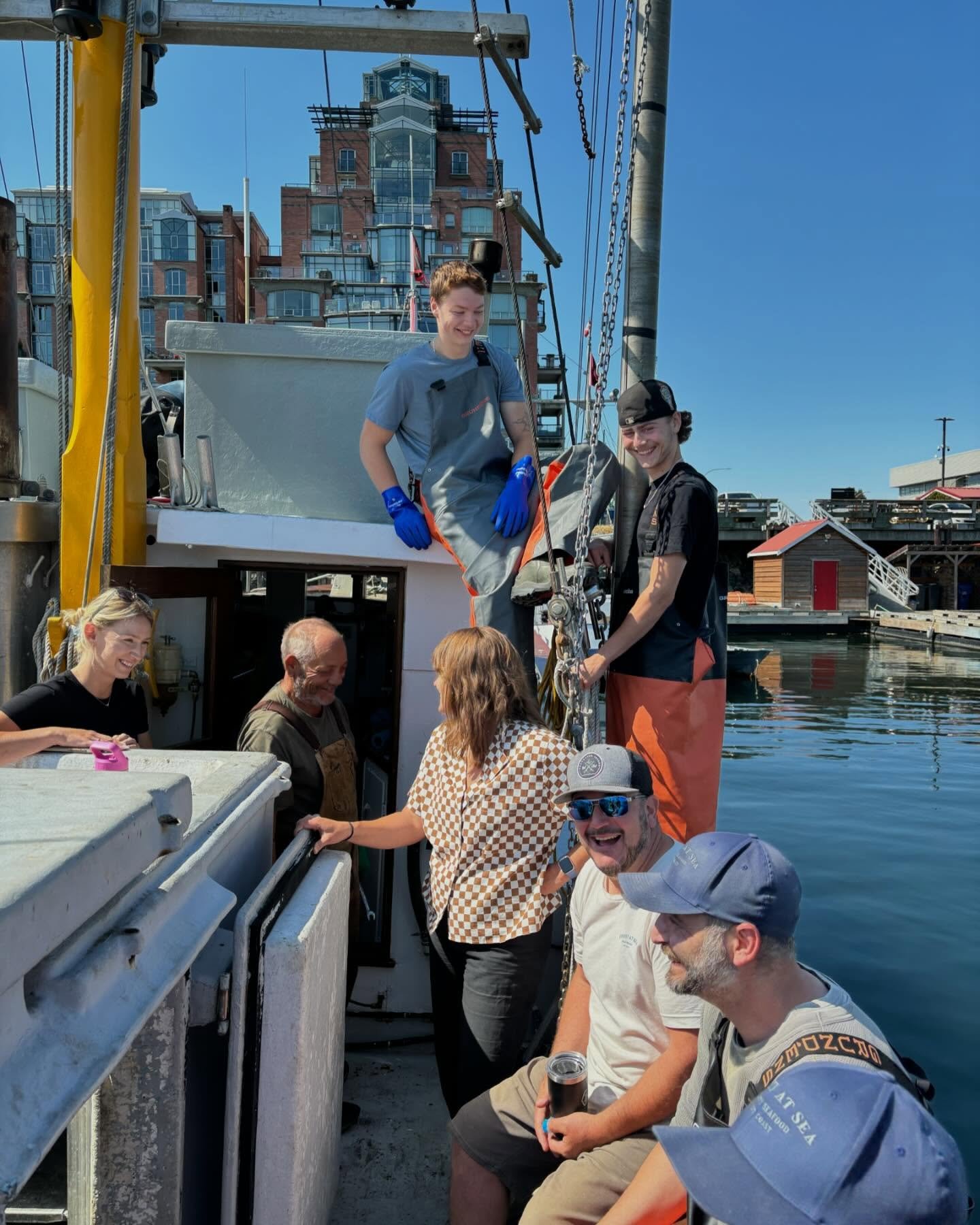
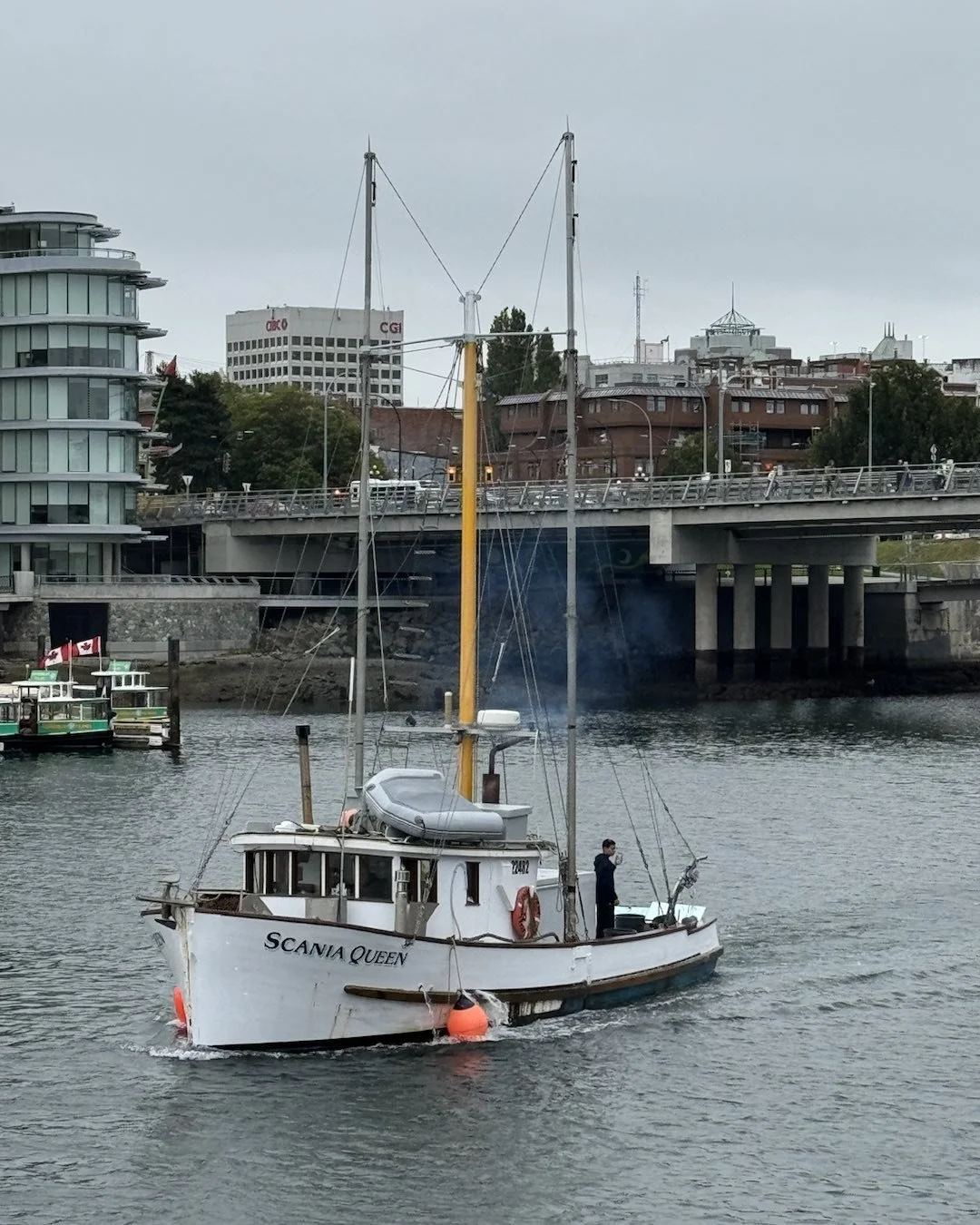
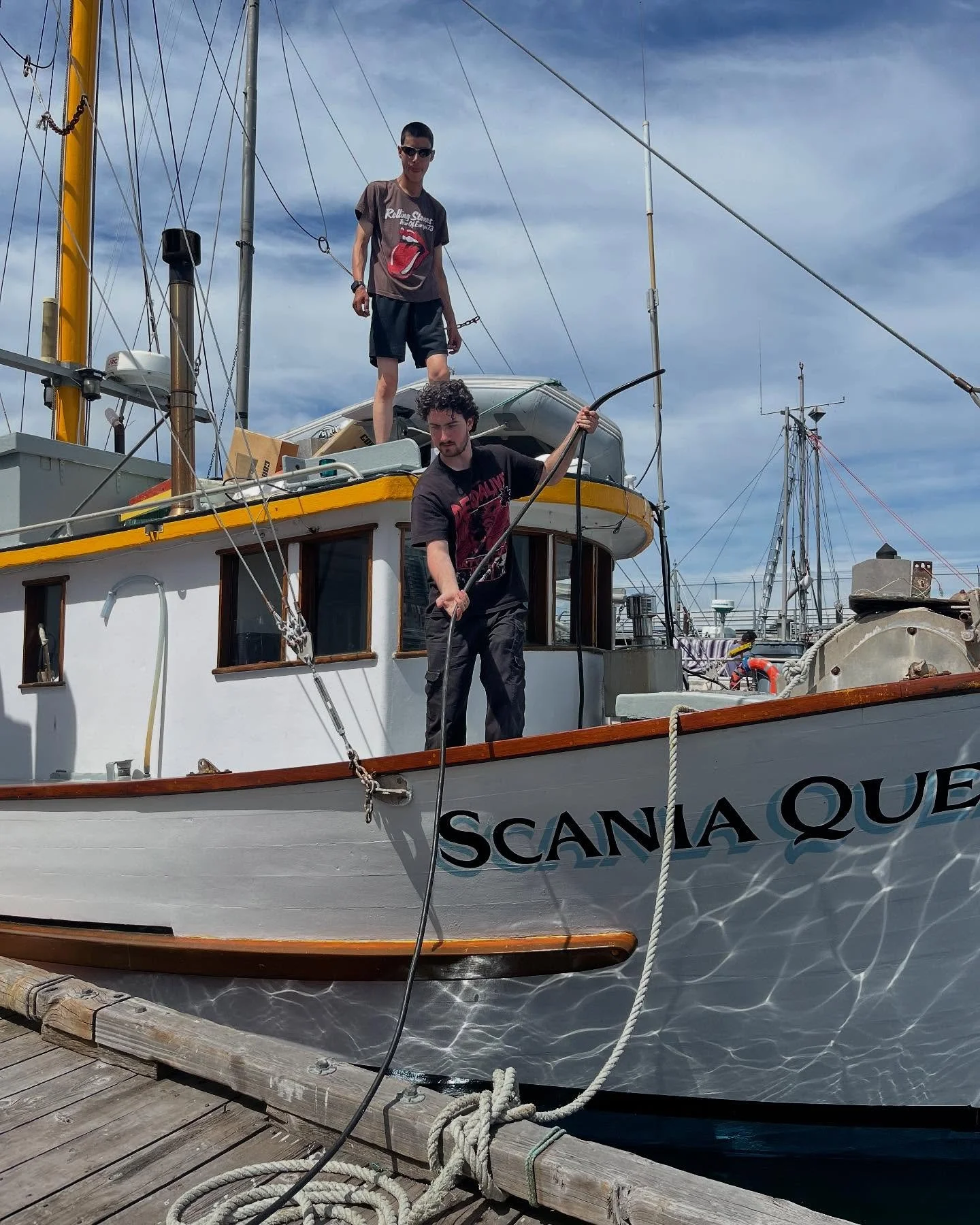
Finest vessels, namely FV Scania Queen, use trolling catch methods for catching salmon. Every summer, our owner Bob takes a crew of young fishers out on his vessel to learn trolling catch methods near Haida Gwaii. At Finest at Sea, we do not use trawling fishing methods on any of our vessels. We believe that all of our actions should have intention, especially on our waters. Using selective fishing methods ensures that we take what is needed and no more; a responsibility that fishers across the world should all consider.